
Controlled Power
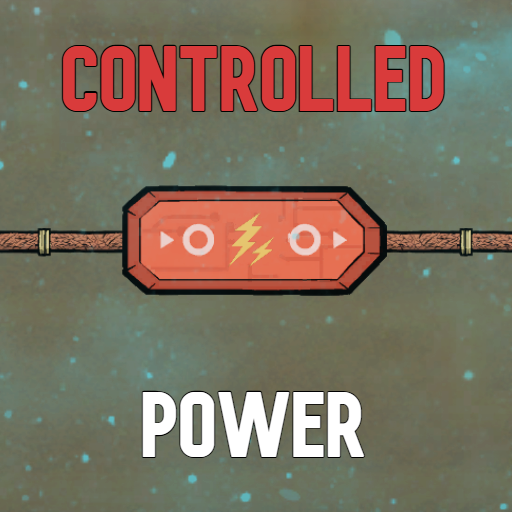
Mastering Power Flow with Controlled Power Mod for Oxygen Not Included
For dedicated duplicants navigating the intricate systems of Oxygen Not Included, managing power is paramount. Introducing the Controlled Power mod, a game-changer designed to bring unprecedented precision and insight to your power grids. This mod empowers you to dictate the flow of energy and understand its demands like never before, transforming your approach to power infrastructure.
Unlocking One-Way Power Dynamics
At its core, the Controlled Power mod introduces the Power Diode, a sophisticated component that enforces a strict one-way flow of electricity. Power can only travel from your designated input to your output, preventing unwanted backflow and simplifying circuit management. This functionality mirrors the stable and reliable mechanics of vanilla transformers, ensuring seamless integration into your existing builds.
Enhanced Monitoring and Insight
Beyond simply directing power, this mod offers invaluable diagnostic capabilities. The upstream logic and wire readouts are enhanced to reflect the downstream current load. This means that as power flows into the diode, you can accurately gauge the total demand from connected systems. Furthermore, the upstream potential reporting extends this insight, allowing you to understand the power requirements across entire diode chains.
Key Features at a Glance:
- One-Way Power Flow: Guarantees electricity moves solely from input to output.
- Transformer-Style Operation: Leverages robust vanilla transformer mechanics for stability.
- Upstream Current Reporting: Input-side displays provide real-time downstream current load.
- Upstream Potential Reporting: Input-side readings accurately reflect downstream power demands.
Implementing Controlled Power
Getting started with the Controlled Power mod is straightforward. First, research the new Power Diode technology within the power control tech tree. Once unlocked, place the diode between two distinct wire networks, designating one as the power source (input) and the other as the consuming load (output). To effectively monitor your systems, utilize upstream wattage sensors connected to the input side of the diode; these will provide crucial data on the total downstream demand.
Important Considerations
While powerful, users should be aware of a current limitation: avoid connecting the outputs of multiple diodes to the same circuit. The upstream power calculations are optimized for single diode paths, and merging outputs may lead to inaccurate readings.